



Halloween may not be an old German holiday, but it has become a lively part of Germany’s autumn calendar. Since the early 1990s, more German families, children, teenagers, and party hosts have embraced costumes, spooky decorations, trick-or-treating, Halloween sweets, pumpkin recipes, and themed parties.
In Germany, children may call out “Süßes, oder es gibt was Saures!” which roughly means “sweets, or there will be something sour,” Germany’s version of “trick or treat.” For adults and teens, Halloween often feels like a spooky October cousin of Karneval: a chance to dress up, serve creepy drinks, make pumpkin soup, and enjoy German candy, gummies, chocolates, and sour sweets. The celebration of all things ghoulish, creepy, and spooky is especially poignant at the original Frankenstein Castle close to Frankfurt.

Looking to buy German Halloween novelties right now? Visit our sister site TheTasteOfGermany for a selection of gummies, sour chews and chocolates!
Halloween in Germany at a Glance
Halloween in Germany is a modern celebration rather than an old folk tradition. It became more visible in the 1990s and is now especially popular with children, teenagers, families, costume parties, clubs, and candy lovers. Trick-or-treating is not as widespread as in the United States, but some children go door to door with parents and say “Süßes, oder es gibt was Saures!”
German Halloween celebrations often include costumes, pumpkins, spooky decorations, sour candies, gummies, chocolates, Halloween parties, pumpkin soup, deviled eggs, fruit punches, and visits to haunted attractions or themed events.
Why Halloween Became Germany’s “Karneval in October”
 Before the 1990s, Halloween was not widely celebrated in Germany. That changed as American-style Halloween parties, costumes, candy, and spooky decorations became more visible. One commonly told explanation is that after Karneval festivities were canceled in 1991 during the Gulf War, German costume and candy producers began looking for another seasonal moment to promote costumes, sweets, and party goods. This fright fest with Celtic roots offered the perfect October opportunity.
Today, Halloween in Germany still has something of a Karneval feeling. It is playful, costume-heavy, and often more about parties, sweets, and spooky fun than deep tradition.
“Süßes oder Saures”: Trick-or-Treating in Germany
German children who go trick-or-treating often say “Süßes, oder es gibt was Saures!” A shorter version is “Süßes oder Saures.” Both are the German equivalent of “trick or treat.” The phrase literally plays with the idea of something sweet versus something sour, which makes it especially fun for a holiday built around candy.
Trick-or-treating is still not as universal in Germany as it is in the United States, but it has become more common in neighborhoods, family communities, and areas where Halloween is actively celebrated.
Frankenstein Castle: Germany’s Spookiest Halloween Connection

One of Germany’s most famous Halloween destinations to partei (party) is Burg Frankenstein, or Frankenstein Castle, in the thickly forested Oldenwald mountains near the city of Darmstadt. The ruined castle has become closely associated with spooky events, horror dinners, and Halloween celebrations.
The castle is often linked to Mary Shelley’s novel Frankenstein, although that connection is disputed. Another figure connected to the castle is Johann Konrad Dippel, an alchemist born there in the seventeenth century, whose dark legends have helped feed the castle’s eerie reputation. Whether visitors come for history, folklore, or Halloween atmosphere, Frankenstein Castle gives Germany a naturally spooky setting for the the ultimate Halloween event. The adjoining restaurant also serves a special Gruseldinner (“horror dinner”) on October 31.
German Halloween Party Foods and Drinks
 When they are too old to trick-or-treat, teenagers in Germany love to throw Halloween parties. These parties are very similar to those hosted by their U.S. counterparts Uniquely German Halloween party beverages include hot apple punch and cold “Blood Punch”— rum, grape juice, and lemon juice served in a carved out pumpkin. How about the “Dragonblood Drink,” made from grenadine, lemon juice, cherry juice and orange/pineapple juice? (The drinking age in Germany is 16 for beer and wine and 18 for hard alcohol). To color food, use red beet juice or black elderberry syrup. Germans also have their own special Halloween snacks and dishes. For example, spicy deviled eggs or pumpkin soup are very popular even among German youth.
Spooky Drinks
- Hot apple punch for a cozy autumn drink.
- Blood Punch with grape juice, lemon juice, and optional rum for adults.
- Dragonblood Drink with grenadine, lemon juice, cherry juice, and orange or pineapple juice.
- Elderberry syrup drinks for a deep purple Halloween color.
- Red beet juice as a natural way to tint savory foods or drinks.
Halloween Party Foods
- Halloween Pretzel Mummy Pigs in a Blanket with German Pretzel Dough
Mini sausages wrapped in German pretzel dough, baked until golden, decorated with edible eyes, and served with mustard, curry ketchup, cheese dip, or Obatzda. - Pumpkin soup served in small bowls or mugs.
- Spicy deviled eggs with paprika, mustard, or beet-colored filling.
- Halloween Sausage Snake for a kid-friendly spooky main dish.
- Pretzels and mustard for easy German party snacks.
- Dark rye bread or pumpernickel bites with cheese or spreads.
- Gummy candy and sour chews for trick-or-treat bowls.
German Halloween Candy and Sweets
German Halloween candy does not have to look exactly like American Halloween candy. Sour gummies, fruit chews, licorice, chocolate, marshmallow candies, novelty gummies, and colorful Haribo sweets all work beautifully for trick-or-treat bowls, party favors, classroom treats, and spooky snack tables.
For a German-inspired Halloween candy bowl, mix sour gummies, licorice, fruit gummies, chocolate, hard candies, and themed sweets. German candy brands such as Haribo and Katjes are especially fun because they bring bright flavors, playful shapes, and a sweet-sour personality to the holiday.
Candy Corn and the German-American Connection
 Candy corn is not a German Halloween tradition, but it does have a German-American connection. Following the American Civil War, Gustav and Albert Goelitz traveled from Germany to Illinois to join an uncle who had emigrated in 1834. After Gustav’s death, his two eldest sons revived the candy business that he and Albert had founded. The story goes that some time in the 1880s the Goelitz Confectionery Co. invented the popular Halloween treat known as Candy Corn. Records show that Goelitz was making candy corn by 1900. That firm’s successor, today’s Herman Goelitz, Inc. of Fairfield, California, is best known as the maker of Jelly Belly jelly bean candy.
When the Goelitz Confectionery Company first produced candy corn, it was called “Chicken Feed.” The boxes were illustrated with a colorful rooster logo and a tag line that read “Something worth crowing for.” According to the National Confectioners Association, more than 35 million pounds (or nine billion pieces) of candy corn will be produced this year. Candy corn contains roughly 28 grams of sugar and only 140 calories per heaping handful — and it’s fat free! In honor of their Goelitz roots, Jelly Belly developed a candy corn-flavor jelly bean.
FAQs About Halloween in Germany
Is Halloween celebrated in Germany?
Yes. Halloween has become increasingly popular in Germany since the early 1990s, especially with children, teenagers, families, costume parties, candy, and spooky events.
What do German children say for trick-or-treat?
German children may say “Süßes, oder es gibt was Saures!” or “Süßes oder Saures,” which is the German version of “trick or treat.”
Is Halloween a traditional German holiday?
No. Halloween is not an old German holiday in the same way as long-established religious or seasonal festivals. It became more popular in modern Germany, especially from the 1990s onward.
Why is Halloween sometimes called Karneval in October?
Halloween in Germany is sometimes compared to Karneval because both involve costumes, parties, playful behavior, and sweets. The current article also connects Halloween’s rise in Germany to costume and candy marketing after Karneval celebrations were canceled in 1991.
What foods are good for a German Halloween party?
German-style Halloween party foods can include pumpkin soup, spicy deviled eggs, sausage snacks, pretzels, dark bread bites, candy, sour gummies, hot apple punch, and spooky fruit drinks.
What is Frankenstein Castle?
Frankenstein Castle, or Burg Frankenstein, is a ruined castle near Darmstadt, south of Frankfurt. It is associated with spooky legends, Halloween events, and the disputed inspiration story behind Mary Shelley’s Frankenstein.
What German candy is good for Halloween?
German Halloween candy can include Haribo gummies, sour chews, licorice, chocolate, fruit gummies, novelty sweets, and spooky seasonal candies. The Taste of Germany’s Halloween category includes gummies, licorice, sour gums, and novelty treats.
Is candy corn German?
Candy corn is not a German Halloween tradition, but the Goelitz candy company story gives it a German-American connection. The current article notes that Goelitz was producing candy corn by 1900.
RELATED CONTENT:
Halloween Sausage Snake Recipe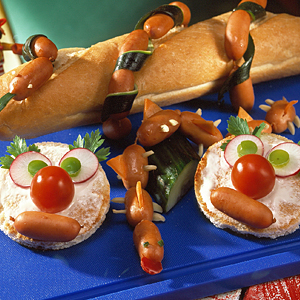
A map of Halloween Parties in Germany (for the adventurous traveler)
German Halloween Song: Der Ur-Ur Enkel von Frankenstein (the great-great grandchild of Frankenstein) by Frank Zander
Halloween and Candy Corn
