



Sauerkraut and red beets — the Lenten superfoods — are back in vogue. Not just with health-focused cooks, but also with fast-food fans and party planners across Germany and North America. Why? Because these two classics are easy, versatile, and surprisingly modern—especially in their pickled forms, where they’re ready to use straight from the jar. (germanfoods.org)
More and more chefs and home cooks are folding sauerkraut and beets into pizza toppings, soups, salads, sandwiches, cocktails, and even unexpected desserts. Beetroot (including beet juice and beet powder) is also popular among athletes because nitrate-rich beetroot may support exercise efficiency in some settings.
And yes — pop culture has noticed too: sauerkraut soup has even made cameo appearances in celebrity interviews and profiles over the years.
Kraut and Beet products available at our store
 Fresh Kraut and Beets
 Fresh Kraut and Beets
The fresh forms of Grünkohl (green cabbage) and Rote Beete (red beets)—available in any supermarket with a decent produce section—are excellent building blocks for low-calorie, filling, flavor-forward meals. Boil them as simple sides, slice them into salads, or use them as colorful additions to sauces and main dishes.
A simple tip: add a splash of lemon to fresh beets, or drink a glass of orange juice when eating cabbage or beets. Vitamin C can help improve iron absorption from plant-based foods.
 Pickled Kraut
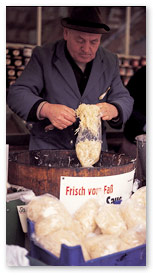 Pickled Kraut
The pickled forms of sauerkraut and red beets in glass jars also pack a healthy punch—and they bring bright acidity that makes meals taste more lively. They’re low in calories and provide nutrients like folate and vitamin K, plus minerals such as potassium and magnesium.
Fermentation can also change cabbage in interesting ways: research suggests fermented cabbage foods may support gut-related benefits, though outcomes depend on the product (and whether it still contains live cultures).
It’s the brine
 It’s the brine
Of course, not all commercially pickled sauerkraut or red beet products are alike. Smell, taste, and texture depend on where the vegetables were grown and what brine was used. In the German states of Baden Wuerttemberg, parts of Brandenburg and the western fields North Rhine Westphalia are known for growing and harvesting cabbage and beets. Many of the top quality producers source from these areas. They will use brine made from vinegar and wine, with little added water and salt.
What to look for: a clean ingredient list, a brine that’s balanced (often vinegar and wine), and a flavor that tastes bright rather than overly salty or watery.
